
Clean
The true story of a local resident

In honor of Black History Month, I would like to introduce you to Steve Carmon.
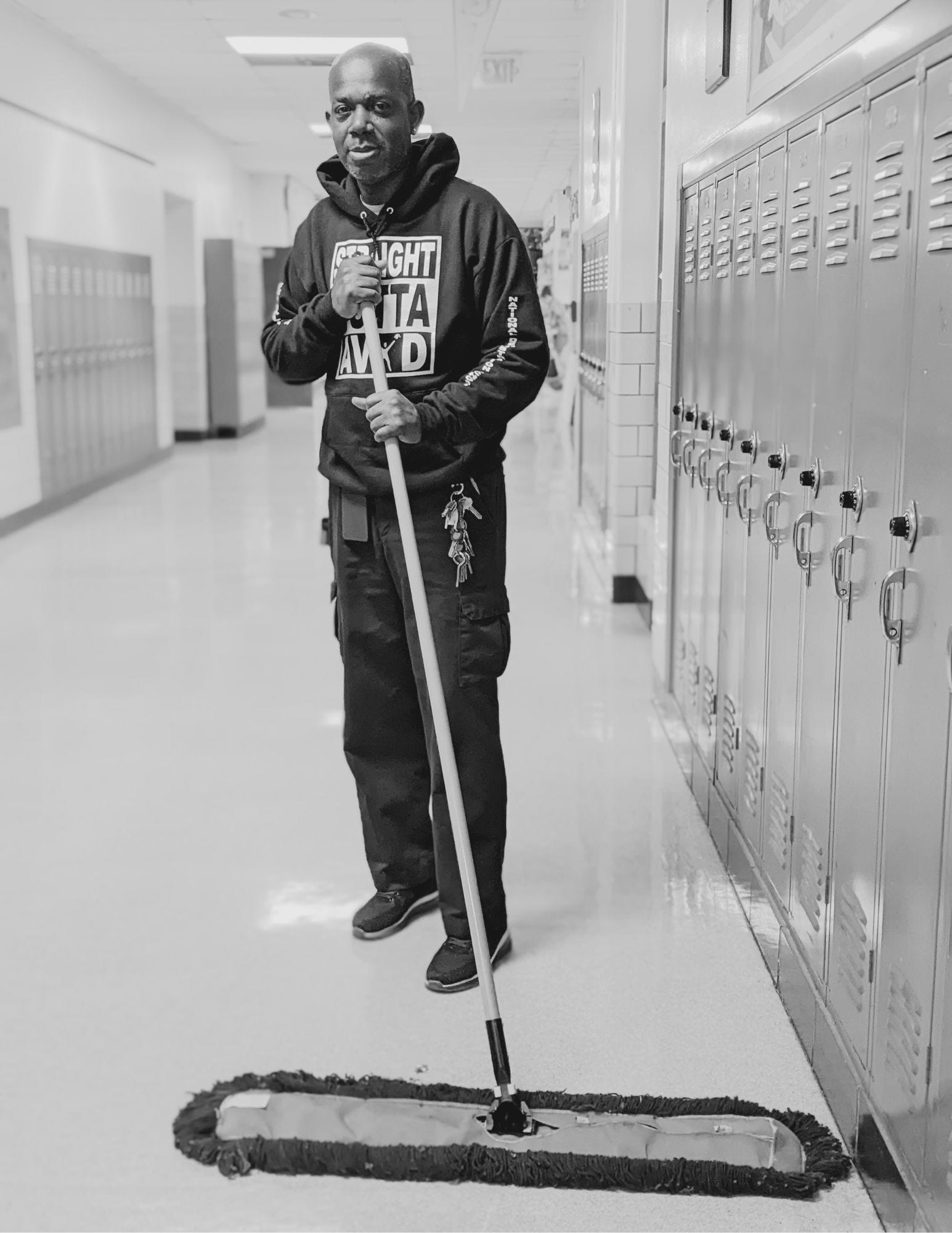
Oftentimes, I embarass my children over my tendency to strike up conversation with strangers. On one such occassion, I was standing in the cafeteria at Franklin Middle School in Champaign, IL, where I was waiting to meet with a student whom I was mentoring through the CU One-to-One Mentoring Program. I watched as this stranger diligently cleaned up after another lunch hour eruption of debris. I offered a friendly hello and a word of gratitude for his custodial service. As we shook hands and exchanged pleasantries, I saw that this man was a bright soul. With a grin, he confessed the daily mess could easily get under his skin, but he quickly credited God for giving him decades of patience for the work.
Each week, I not only looked forward to meeting with my mentee, but now Steve, as well, for our brief cafeteria chats. After many months, I mustered up the courage to ask Steve a question: could we meet up sometime so that I could hear more of his story? I gathered that this man had a story living in his bones, one that needed to be told, one I needed to hear. I didn’t presume I was the one who should record and share it, but here I was, a ready and willing party to listen and write. Steve agreed and we had a couple hours of conversation in 2025 on the threshold of his retirement, surrounded with the sounds of the school’s furnace churning in the large mechanicals room, where Steve had his custodial office.
With Steve’s permission, I now offer you his story. I’ve taken some poetic license, but I sought to steward Steve’s story with dignity and wonder, writing a narrative that remains faithful to the contours and timeline of Steve’s life.
Introduction
“Some of you are gonna make it, and some of you aren’t.”
Like a line drawn in the sand, the words sort and divide the children’s futures.
The words are traumatic—words a child can’t unhear; seeds planted deep in the soil of youth, hidden from the sun’s warmth.
The words are honest words a teacher can’t tame, carrying the force of a torrent cascading over lips, down into the canals of young souls, carving memory banks of rivers for wide-eyed children at her feet.
These are the words a beloved son heard as a young boy in his Chicago Public School classroom.
Those are the words he has carried—one of those prophesied ones who actually did make it.
Chapter 1: Origins
See the woman—a strong, enduring Black woman. Feet planted in the blood-stained soil of generations of toil.
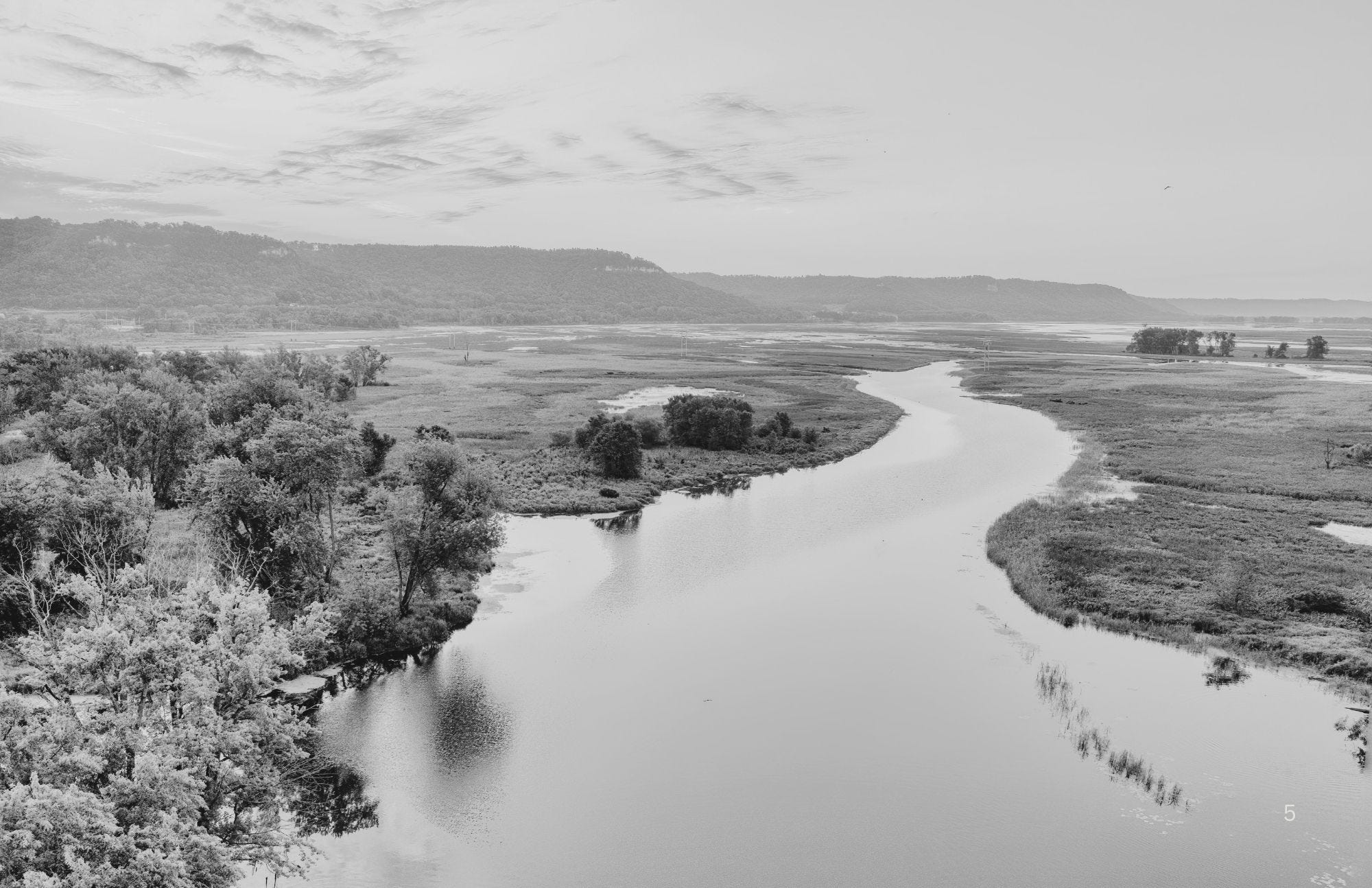
Her body weary, her soul hungry. For liberty. For new beginnings. She flees Mississippi and marches up the migration highway, against the flow of the Big Muddy, north past the city of blues, on up yonder to the oft-envisaged freedom of the north, where a big city with big promises and big buildings lay nestled on the enchanted shores of one Great Lake.
Carried now to the embrace of other Black mothers and fathers, her elders welcoming her to her new home in Chicago.
She doesn’t have two nickels to rub together, but she has a dream held tightly in her hand. This will do, she says. This will do. A fresh start.
A decade passes like the flow of that mighty Mississippi her mother left behind so many moons ago. The sweltering summer nights of her ancestor’s slavery-laden south are but a metamorphosized memory become ice-cold winter days, gray with a grinding poverty of the quasi-free north.
One, two, three, four, five, six, seven, eight—the babies come. Her womb is weary and empty now; her soul full of children, each one precious, each one loved.
One of her babies grows up and becomes a mother herself. A new generation is born into a decade of upheaval, tossing and churning the soil and soul of a nation. Cries of liberation spread across the land, against the flow of Jim Crow’s tide.
--
1963.
See now the woman’s third child, a boy—a beloved son. She names him Steve.
“Mama, we’re hungry,” her children cry. Mama’s got bellies to fill. She does what she can—whatever she must—to fill that table with food. It’s not the generous plates of fried chicken, greens, cornbread, and sweet potato pie of her dreams, but it’ll do. It’ll do.
Four beloved sons, two beloved daughters, and mother in a three-bedroom apartment. The apartment small, the roaches big. The building towers high, but the weight of poverty pulls down. Each day, they climb those hundred stairs, weaving couches and refrigerators in and through those dim, narrow corridors. Never feeling safe, sleeping with one eye open, she carries an ice pick wherever she goes. You never know what specter of violence is slinking in the shadows.
Despite it all, it’s home. Despite it all, the children have smiles. They adapt. They make their own laughter and games. They know not any other life.
--
See now, young beloved son Steve, shirtless with duct-tape-wrapped broken shoes, and a wide smile stretched across his face. He toddles into the street, where further down stands the great Madhouse. But this was long before the basketball demigod donned the court with his airy presence.
Beloved son’s tiny ears hear the loud car, but his little eyes never see the big car. Slam. The brakes scream out over the cacophony on Madison Avenue. A miracle. An angel. Beloved son is okay this time. The blood, though—that that would come later.
Pow. A single shot. One bullet was all it took. The hero lay slain in the Loraine.
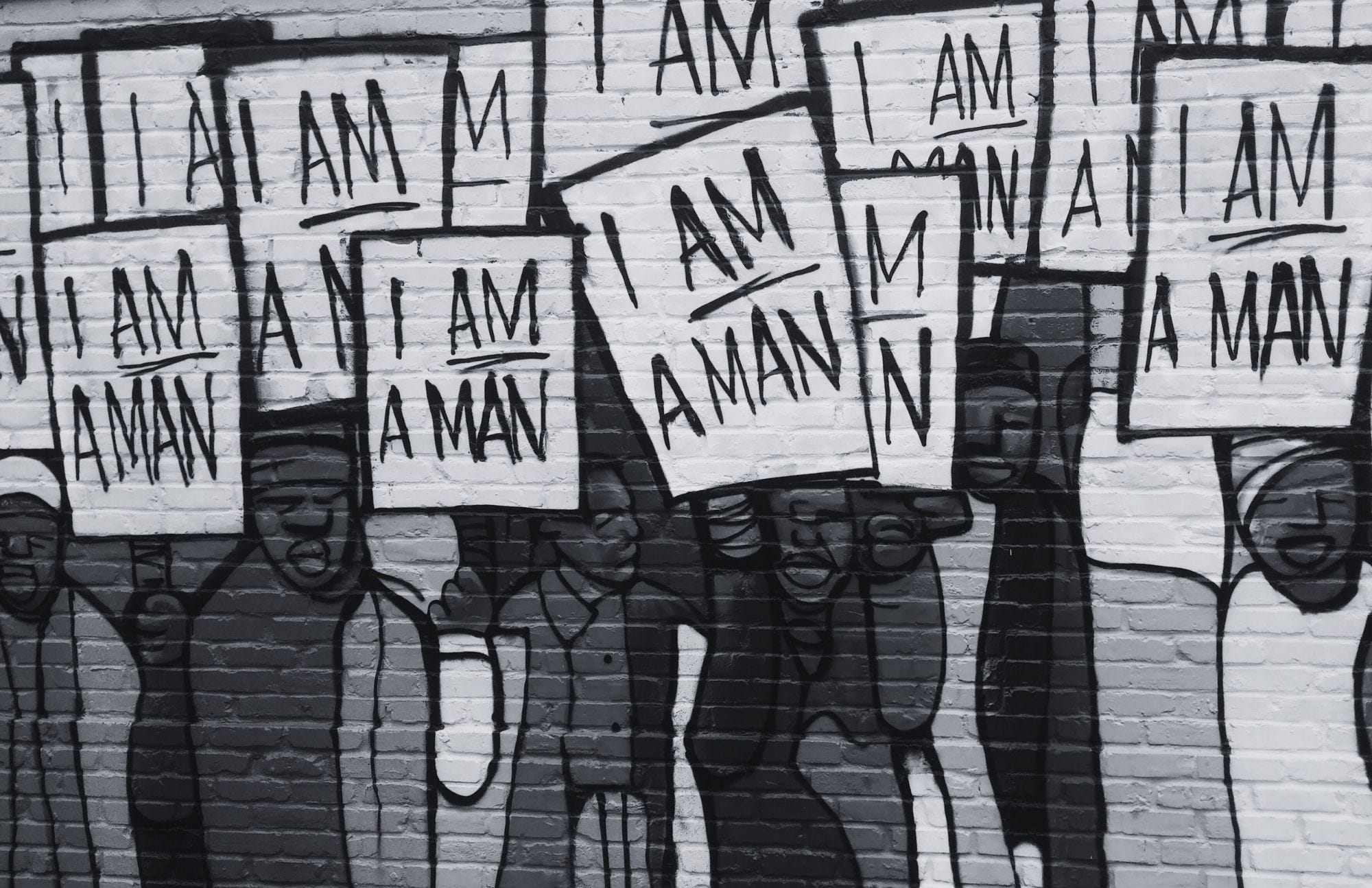
A mighty wave of anguish cascades across the land, from Memphis to Chicago, from Harlem to LA. “I am a man!” the sanitation workers had shouted from the streets. “These are beloved children of God, worthy of dignified wages and working conditions,” the liberator announced to the pharaohs of the land.
Steve didn’t hear the gunshots. He didn’t shake hands with the hero. He didn’t hold the sign with the workers.
But beloved son still reaped the whirlwind.
--
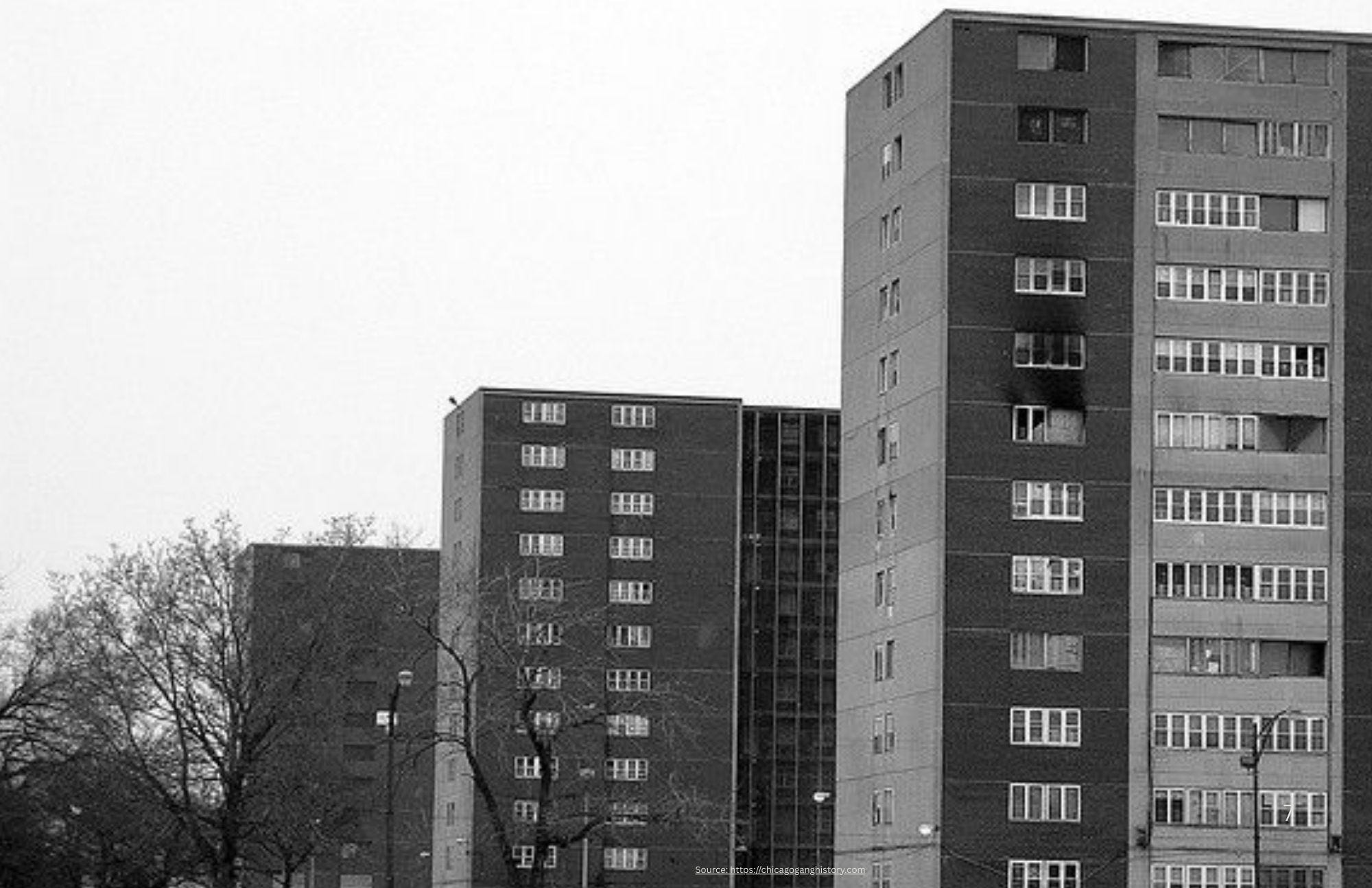
His homes were not nameless. Henry Horner and Rockwell Gardens. Two housing projects, designed by systems of control, rising from the flat landscape. Two huge homes carved out by the system’s blade of progress. Two homes guarded by the fierce love and resilient strength of the souls of Black folk. Two walled spaces where there were good times and hard times. Two dominions where beloved son learned to observe, to persevere, to resist, to survive.
“Some of you will make it, some of you won’t,” said the teacher in beloved son’s classroom one day. It felt like a conspiracy, Steve believed. The drugs, the guns, the gangs, the police, the system, the traps. Running, hiding, dodging, surviving.
Beloved son’s family didn’t call God by name those days. No church gave them refuge. No prayers did they say, save one: “Where are you, God?”
Beloved son wasn’t a child anymore. Steve wanted freedom like every other American, especially like every Black American. Everyone’s hunting for freedom—to bust the chains of powerlessness, to express their created potential to give, serve, love, craft, build.
Some days, you just find ways to live your power in ways your older you might regret. But you don’t know any different at the time. Dropping AC units out of top-floor windows sounded like a good idea of fun at the time. But the drugs—the cocaine—brought the highs and the lows. Taking a hit. Passing the needle. Selling coke.
Getting framed by the police, though, that really hurt, beloved son remembers. But Steve adapted. Survival was his middle name, resilience tattooed on his identity.
But disrespecting his elders? No, that was too far, beloved son remembers. Steve wouldn’t disrespect his mama or his godmother. Sure, he got into trouble. But respect. Always respect.
Sitting around the dinner table one night, the news spreads of another young Black soul snuffed out too early, his breath stolen, dead in the street.
Steve had watched that scene unfold under the cover of night. The police. Rival gangs. Guns. It all happened so fast. They ran, he and his mate. They hopped on the elevated train. One train and then another. They made the dangerous leap from the elevated rails. One, two…his feet landed on solid ground. His friend? Not so lucky. A broken leg, crushed. The doctors had to amputate.
--
Not a gun—a broom. That’s what always felt right in his hands. Sweeping the porch. Sweeping the kitchen. The streets might be messy, but by God, beloved son was going to make his home clean. He longed for it all to be clean.
--
Pow. Pow. Pow. Three shots.
Beloved son hears the bullets as he falls into a heap on Madison Avenue, not far from the memory of that shirtless young boy who escaped death so many years ago. The blood comes this time. Stains his clothes, stains the street.
“Mama,” he cries. Miracle. An angel. Again. Beloved son lives to smile another day. But Steve’s mama is worried. His godmother is worried.
--
And now bags are packed. The curtains no longer garnish the windows. The apartment emptied. How did she pack so fast? beloved son wonders. His godmother’s family had had enough. Time to breathe some fresh air away from the city.
Chapter 2: A New Land, A New Start
1984
Beloved son knew nothing about life outside of Chicago. He’d never even heard of a town called Champaign, or Urbana. Everything south of that concrete river named 95th was “downstate.” After he got shot, beloved son’s godmother pleaded with him to join her family in that fantasy called Champaign.
“Just come check it out,” she said. He had no money, no job, but he took the little he had and purchased his first train ticket out of Chicago.
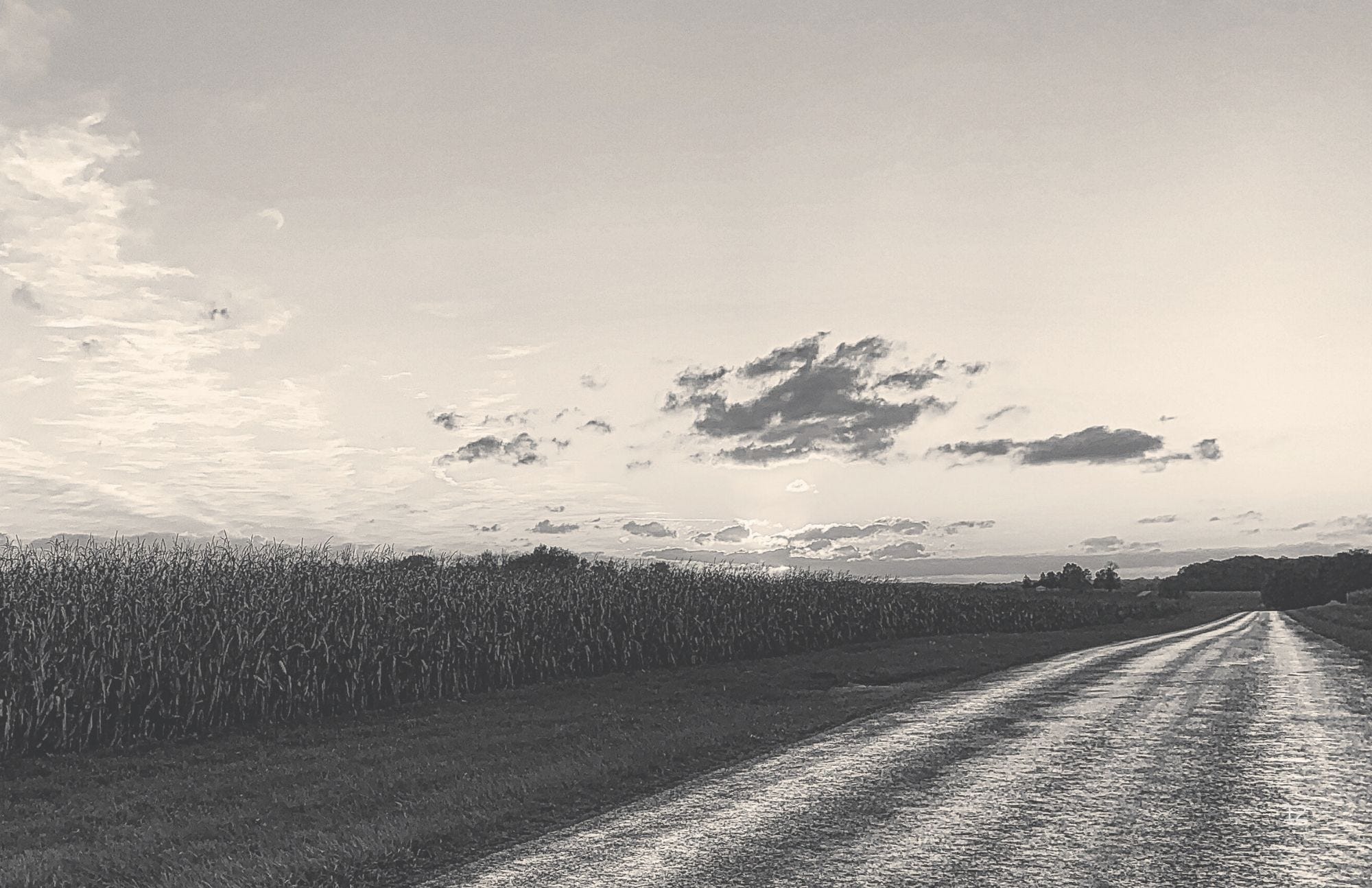
When Steve arrived in Champaign, Illinois in 1984 his eyes saw a “whole different world.” In Chicago, beloved son was acquainted with chaos; Champaign, however, looked like a fresh, clean start.
Steve’s first job was washing dishes at the Best Western Lincoln Lodge. He was 21 years old.
Four years later, he earned his driver’s license and paid $1,800 for his first car—a black, 1970 Chevy Impala, purchased at Miller’s Car Lot on South Neil St.
Steve took his cleaning skills to Warden Martin dealership on South Neil St. for his second job, but a major auto accident left him in the hospital for a long recovery and he lost his job. He then moved on to Sullivan Park Hill on Washington St., where he continued washing and detailing cars for 15 years, from 1987 to 2002.
Beloved son comfortably settled into his calling that showed up in those simple childhood moments back in Chicago with a broom in his hand. Beloved son knew deep down he was born to clean.
--
Steve now had a clear sense of calling and a place to call home. But a spectre his past still haunted him—a relic of the struggles of grinding poverty from the Chicago projects.
Beloved son wasn’t completely clean, he now admits without pretense. He couldn’t shake his cocaine addiction. He tried to get clean on his own, but the withdrawals pulled him back into cocaine’s grip time and again. He would awake in the night, his body seizing on the floor. It was a frightful experience.
“I wanted to clean myself up, but I just couldn’t do it on my own,” he says.
At the end of his own strength, beloved son took a different approach. Ever since coming to Champaign, his godmother’s faith and prayers tugged on him, but he kept the tension in the rope, he wouldn’t cave to the God-talk. He had learned survivorship, doing it Steve’s way. Church attendance felt obligatory. God seemed distant. But the drug addiction finally led him into the wilderness of desperation.
“I was hooked on cocaine for 20 years,” he says. “I finally told God I wanted something different. I asked God to come into my life and make me clean. From that moment, God made me clean. I didn’t crave cocaine every again. I was completely clean.”
It didn’t come without a cost. Beloved son had to leave some friends and spaces behind. He had to clean house.
“God got me away from the crowd. Some people I just had to cut loose,” he says.
--
Things started to change for beloved son. His personality, his finances, his relationships.
Steve began attending Pilgrim Missionary Baptist Church, where he served as an usher and courtesy van driver for 13 years.
Around this time, Steve accepted a new opportunity to fulfill his cleaning vocation: a custodian at Franklin Middle School. Steve moved into a new apartment near the school, too. Another fresh start.
“When I came to Franklin, it was like the movie ‘Lean on Me’ here—graffiti everywhere,” Steve remembers. “They couldn’t keep custodians around this place, it was so bad. But God wanted me here. I did everything I could to make this place look good for everyone—students, staff, parents.”
But without a formal education, beloved son didn’t get equal treatment.
“Lots of educated people here at work making more money than me, but not has happy as me. There were times they were not kind to me, accusing me of things I didn’t do,” he says. “And I saw that so many of them just seemed mad because of the money they weren’t making. I realized that many of them didn’t have God at the center of their lives; they were unhappy and worried about money, and they didn’t know what they were made to do. I was happy, because I knew God put me here to clean and to help others.”
Growing up in Chicago, the grist of that life toughened beloved son. He knew if he could make it in Chicago, he could make it anywhere in America.
“I learned to be a survivor, and that’s why I’ve lasted so long in this job. People may not appreciate me, students may keep making a mess of things, but I know God put me here for a reason. I didn’t give up. I just hope I can make it to the finish line before someone blames me for something I didn’t do.”
Beloved son is now 60 years old and his circle of friends looks a little different than those early days when he was finding his way in this new land called Champaign. Today, his close friends and examples he wants to imitate include his 87 year-old Aunts Donna and Beverly, twin sisters whom Steve considers his best friends.
“If something ain’t right and I need someone to talk to, I talk to them. At their age, they are still in their right mind, still driving, still helping others, still able to help me with cleaning at the church, still helping kids learn to read at age 87. When I look at them, I say, ‘I want to be like them, Lord.’ When I look at them, I see Jesus written all over their lives,” says Steve.
Steve is now a member at Mt. Olive Baptist Church. For years, when he was not cleaning at the school where he worked, you could find him at Mt. Olive, serving as the church’s custodian.
--
At 3 a.m. Steve’s alarm sounds in his home just blocks from the school grounds. He hits the alarm, brushes his teeth, gets dressed, and heads to work before the sun is awake with a “Thank you” on his lips as he walks the halls. “It takes a lot of prayer and preparation for me to face the school every day,” Steve shares. “There were plenty of days I didn’t want to come, but I’ve learned patience and perseverance.”
For twenty-three years, Steve has mopped floors, collected candy wrappers from the floor, wiped up spilled milk after lunch, scraped gum off desks, scrubbed graffiti off walls, and sanitized toilets and sinks. For 23 years, he’s learned to pray for the kids in the halls and to keep faith even when accused or disrespected. But the finish line is near.
“Looking back,” Steve says, “it was the grace of God taking care of me all along. God wanted good for my life. But it’s time now to pass torch to the next custodian at Franklin,” Steve says. He’s optimistic about his young protégé at Franklin, who is “anointed by God,” in Steve’s eyes—a young man from hard times like him, who shows up faithfully every day and puts up with the mess.
Steve might be passing the torch—or broom—on to the next custodian at Franklin, but beloved son will keep cleaning at his church. Because that is what beloved son was born to do, it’s what he loves to do.
“To make it in this world, you got to know your gift and then share that with the world. My gift is to clean,” Steve concludes. “I look at myself in the mirror every day as a Black man in America, knowing I am going to face negativity and racism. But like I tell my grandson, you have to respect yourself first and keep God in the center of your life, then go work hard and faithfully at whatever you do and do it with love.”
Steve Carmon retired from the Unit 4 School District in the fall of 2025.
So much to learn from Steve’s story. Thank you for capturing it and sharing it.
Powerful story!